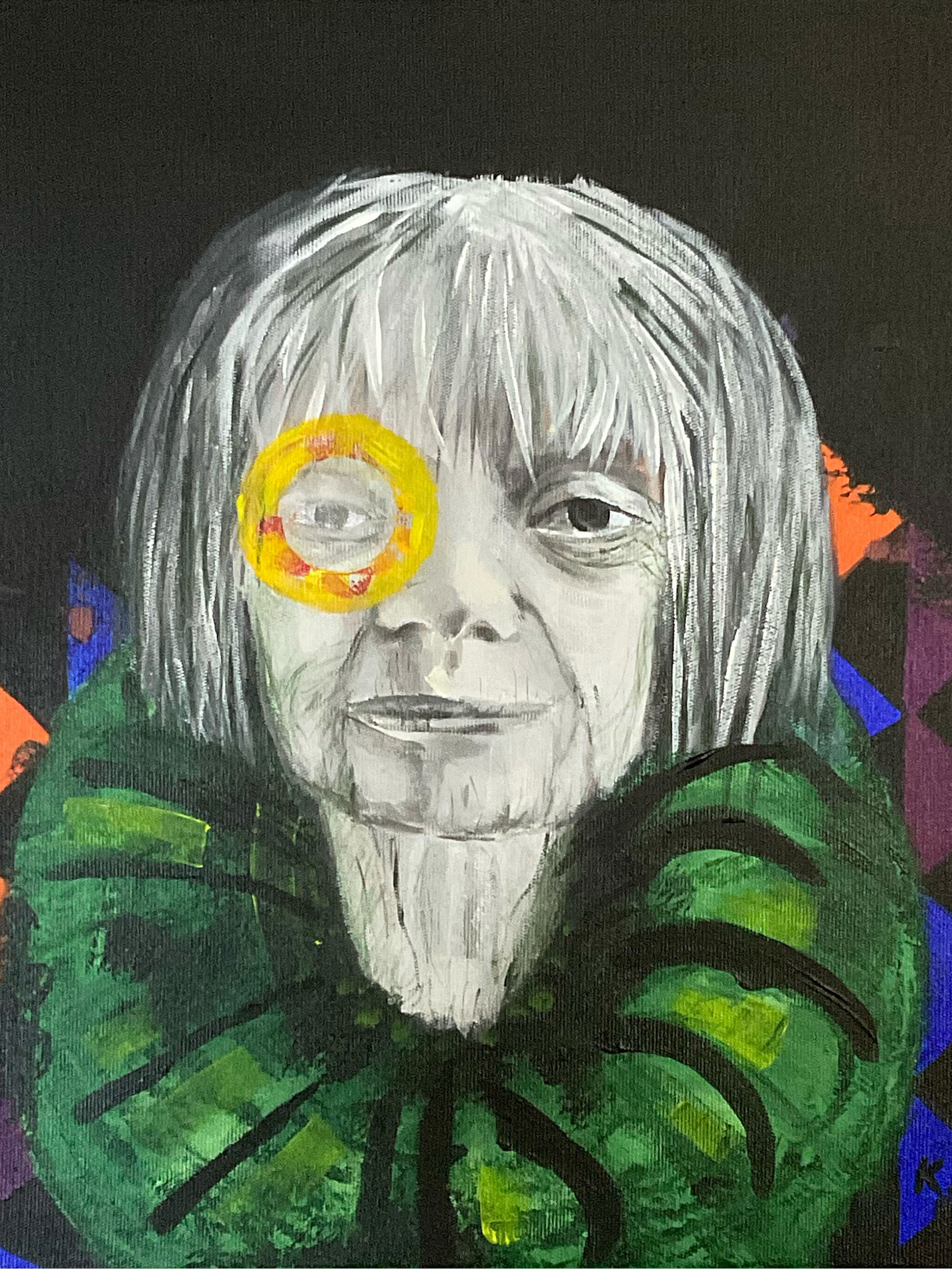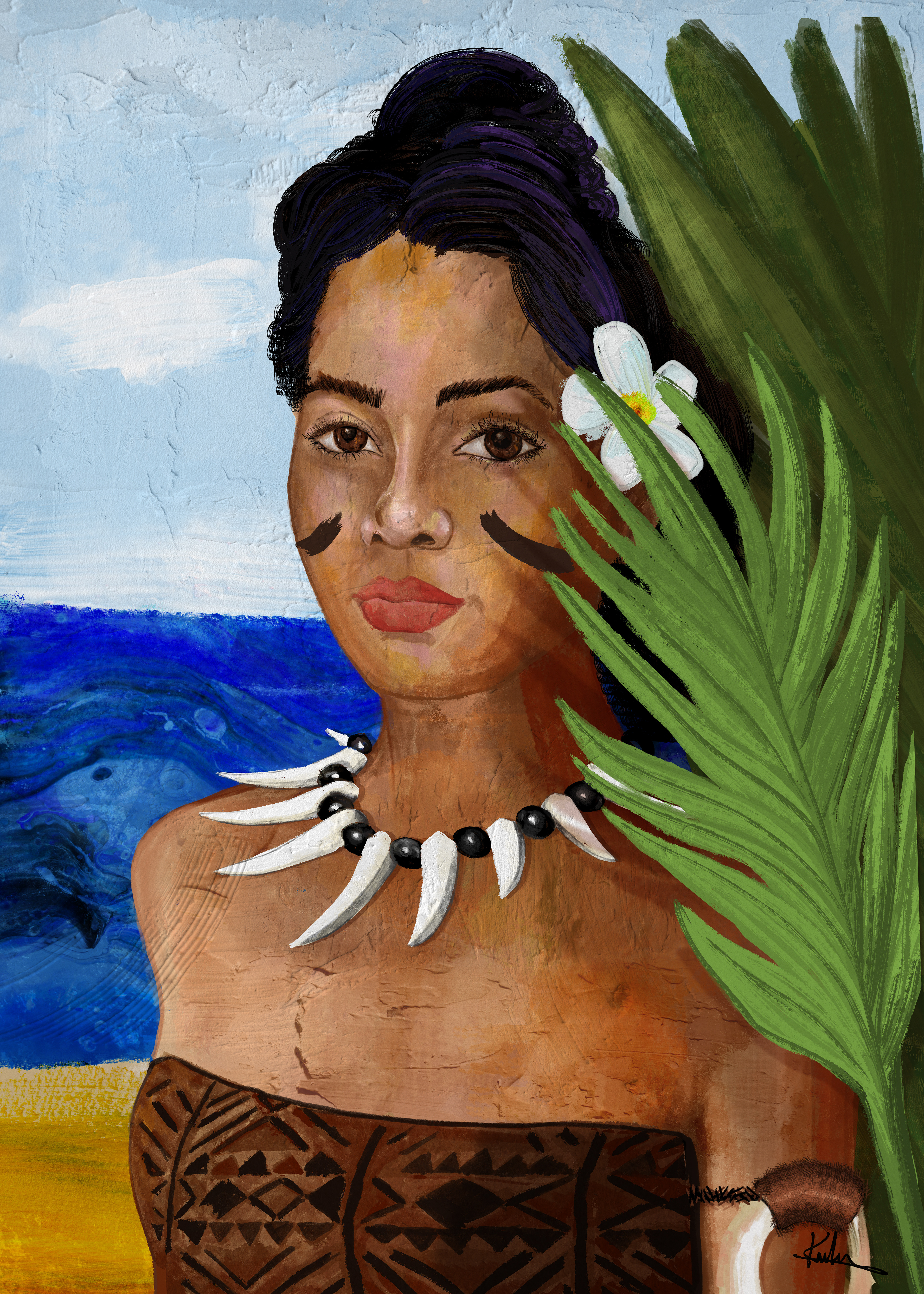
“When we plant, we think seven generations ahead. The land feeds us
because we care for it with our ancestors’ knowledge.”
Chief Tui Atua Tupua Tamasese Ta‘isi Efi, Samoa
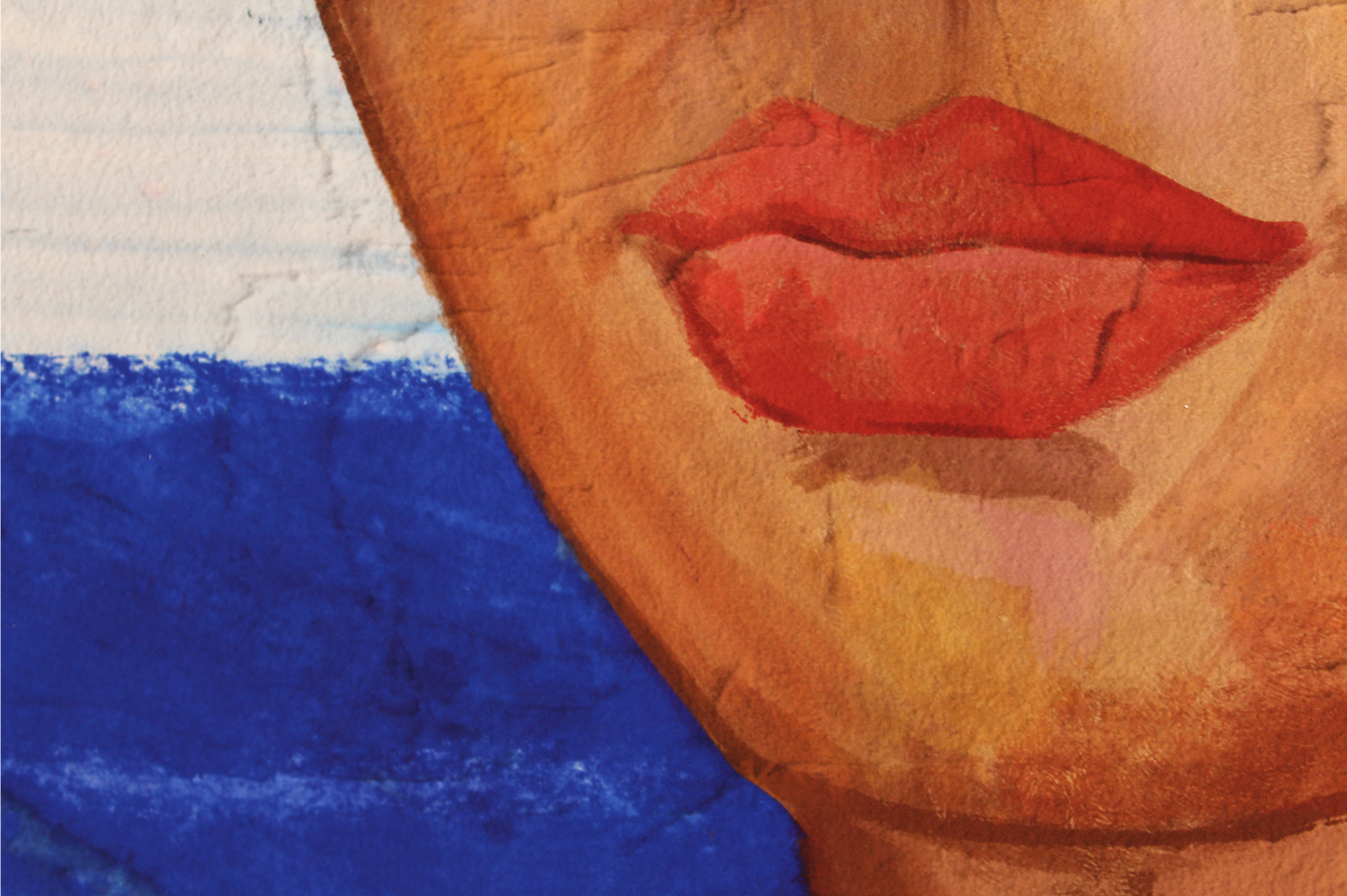
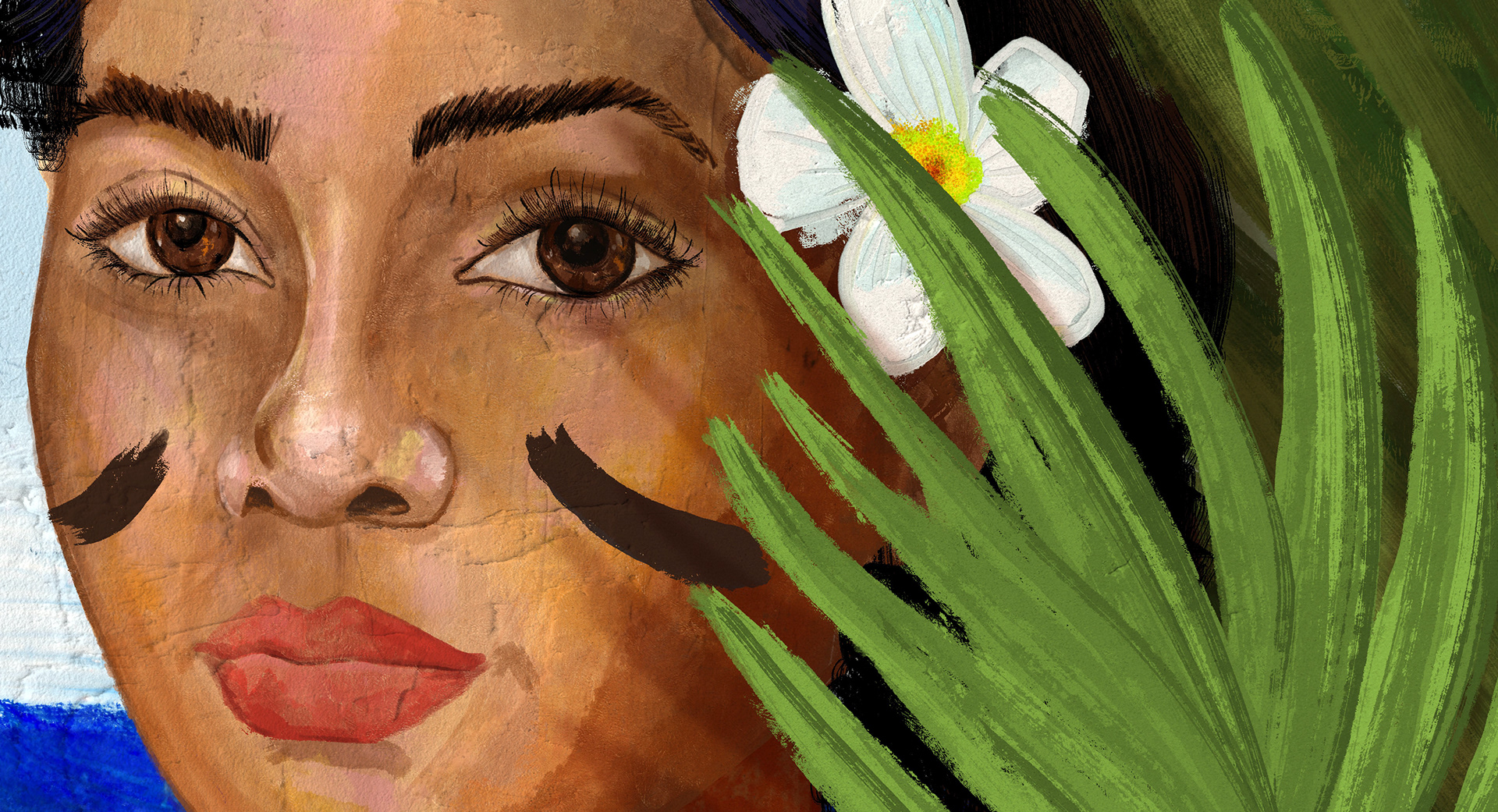
The Indigenous peoples of the Pacific Islands—spanning Polynesia, Micronesia, and Melanesia—represent one of the most diverse and ocean-centered cultural regions in the world. With over 12 million Indigenous people, speaking more than 1,200 distinct languages across thousands of islands and atolls, their communities have developed deeply rooted ecological knowledge systems that sustain life in some of the most fragile marine and coastal environments on Earth. These include sophisticated navigation techniques, coral reef stewardship, agroforestry, and water management adapted to volcanic and atoll ecologies.
However, rising sea levels, climate change, deep-sea mining, and forced migration now threaten both their land and cultural continuity. How important their knowledge for the entire ecosystem and why lies in their centuries-long practices of living in harmony with land and sea—offering vital models for resilience, sustainability, and climate adaptation in the face of global ecological crisis.